
Cardboard boxes of memories.
Cardboard boxes of memories became a 3x conversion rate.
become a 3x conversion rate.
When charity: water CEO Scott Harrison published his memoir, he shipped Kate several boxes of personal archives — decades of newspapers, letters, journals, and photographs. Her job: turn four decades of a founder’s life into a digital experience that moved readers to become monthly donors.
The result outperformed the organization’s own website by 3x.
charity: water's own site
through thirstbook.com
for Scott's memoir
A bestselling memoir. No clear path from reader to monthly donor.
charity: water is one of the most recognized nonprofits in the world — known for radical transparency, innovative fundraising, and a founder whose personal story is inseparable from the mission. When Scott Harrison wrote his memoir Thirst, the goal was clear: use the book to grow the organization's monthly giving program, The Spring.
Someone finishes a book feeling inspired. Then they close it, put it on a shelf, and move on. Turning that emotional peak into a recurring financial commitment takes more than a link in the back cover.
Kate was on staff at charity: water and received the assignment along with several cardboard boxes — Scott's personal archives spanning four decades. Newspapers from his early career. Letters from the field. Journals. Photographs nobody outside the organization had ever seen. The brief: turn this into something that makes people act.
The gap between "book reader" and "monthly nonprofit donor" is one of the hardest conversions in social impact marketing.
Charting a brand's new approach
Idea: Don’t summarize the book. Build a world inside it.
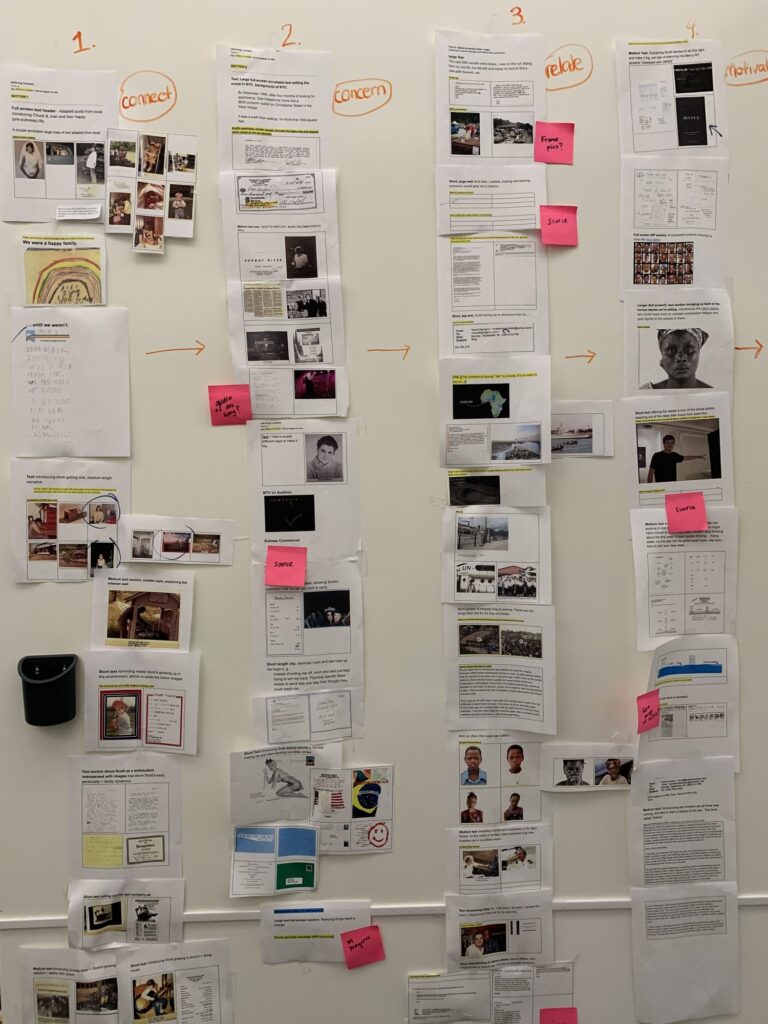
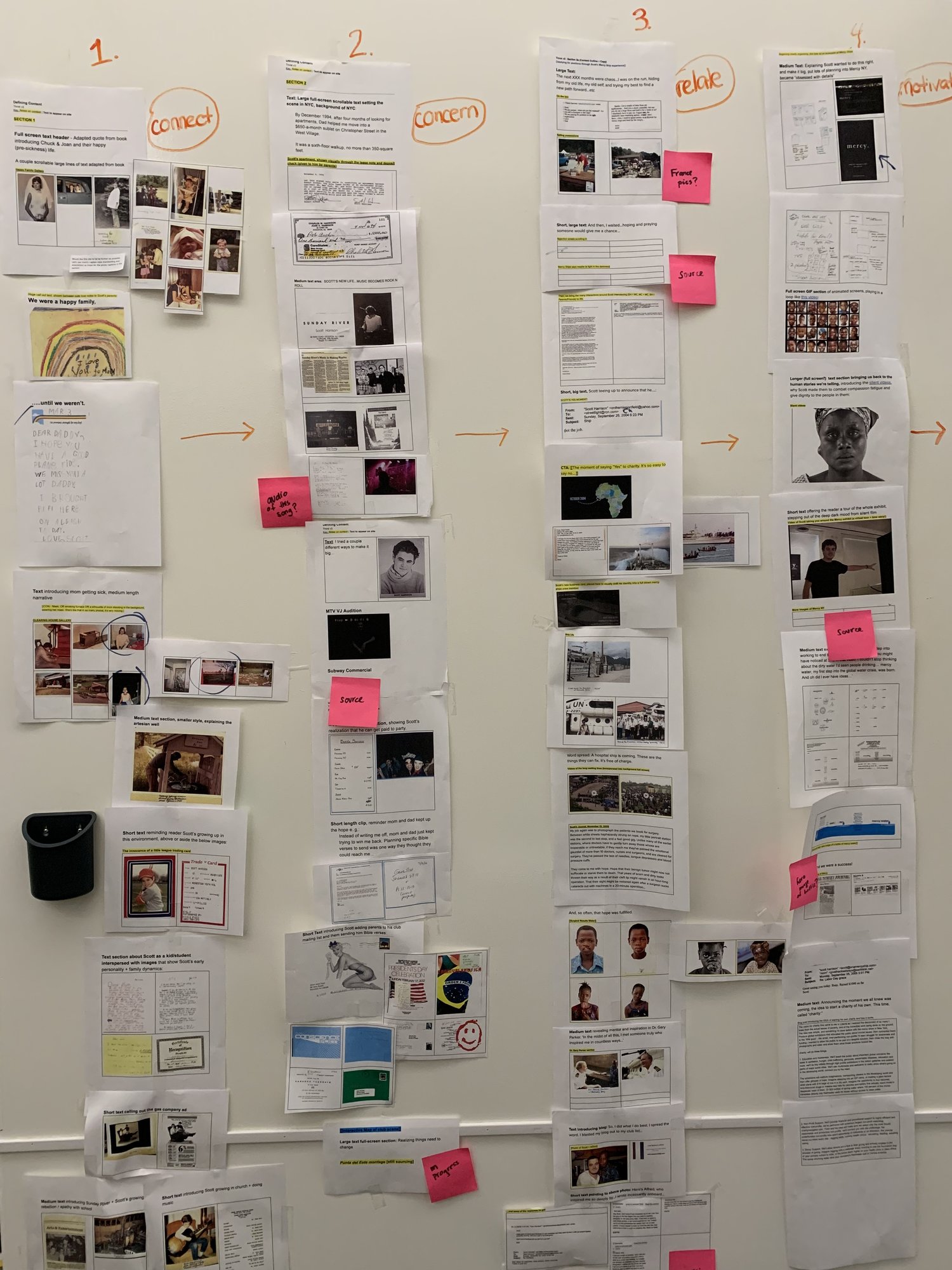
Mine the archives
Not every story in a 300-page memoir moves someone to donate. Kate identified the specific narrative inflection points, the moments of shock, empathy, and resolve, that would carry a visitor from curiosity to commitment.
Design a journey
Working with charity: water's creative and marketing teams, Kate storyboarded the full user journey. Every scroll, every interaction, every emotional beat carefully sequenced to build toward the monthly giving ask.
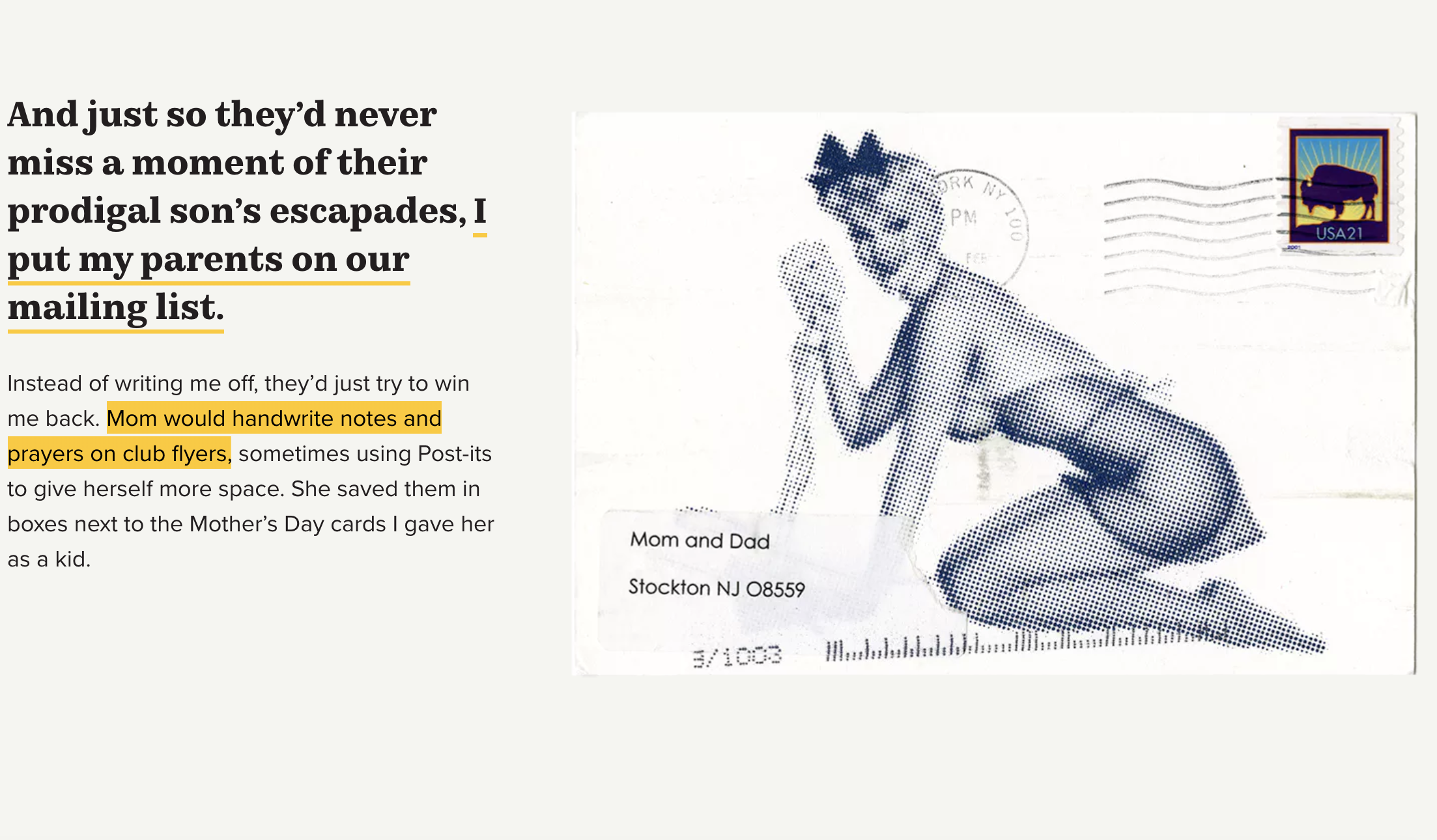
Make it feel analog
The site incorporated raw archival content, handwritten letters, unedited photographs, ambient sound, to create a first-person, transportive feel. Visitors forgot they were on a website and felt like they were holding Scott's memories.
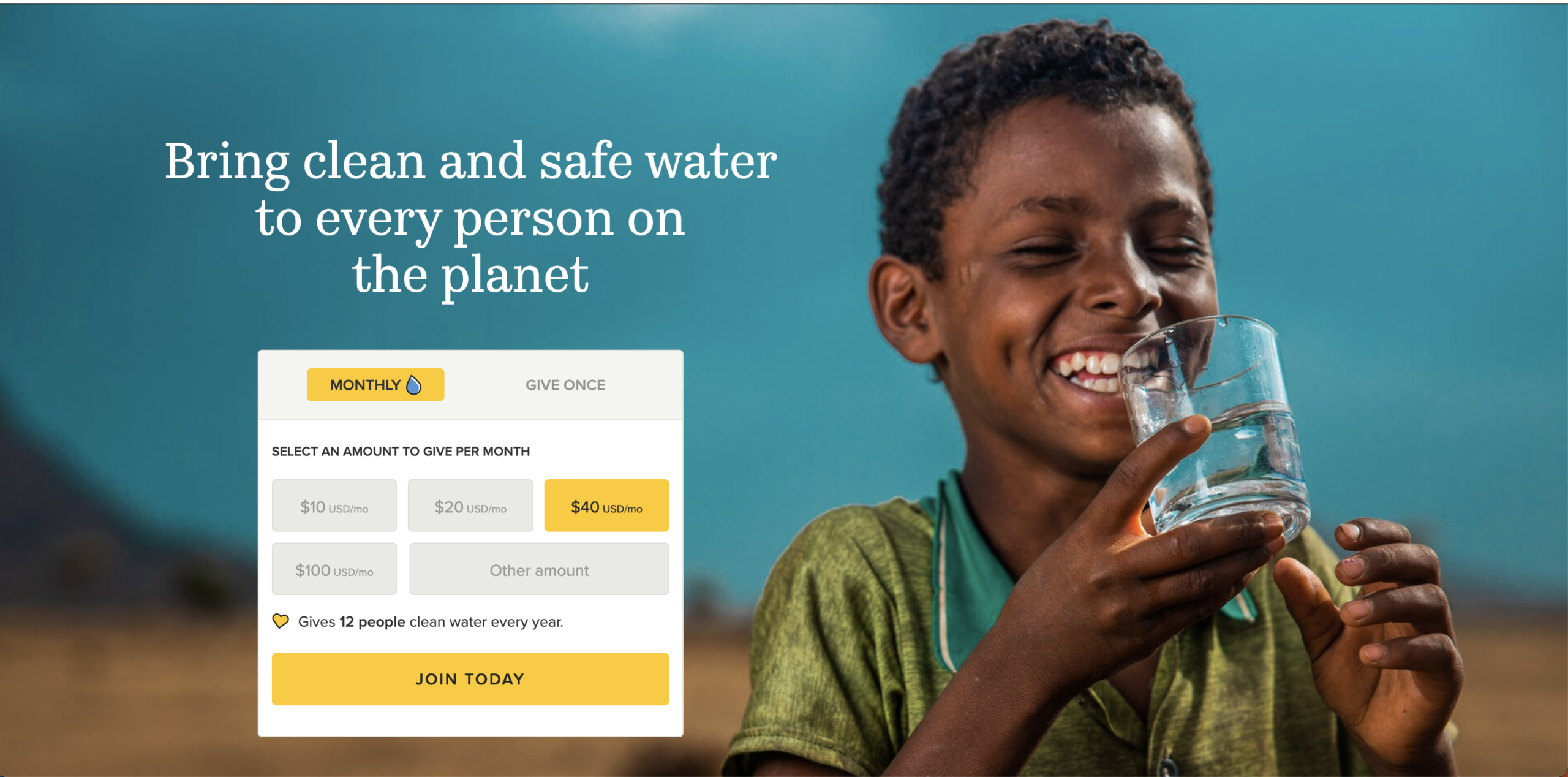
The natural next step
Every element of the narrative led to the monthly giving program. Not with a hard sell, with the kind of emotional momentum that makes donating feel like the only appropriate response. The giving form was the resolution of the story.
The campaigns, content & strategies.
The content strategy that changed everything.
The site was an opportunity to let audiences feel the overwhelming shock of issues like poverty and global health up close—not just learn about them as passive observers.
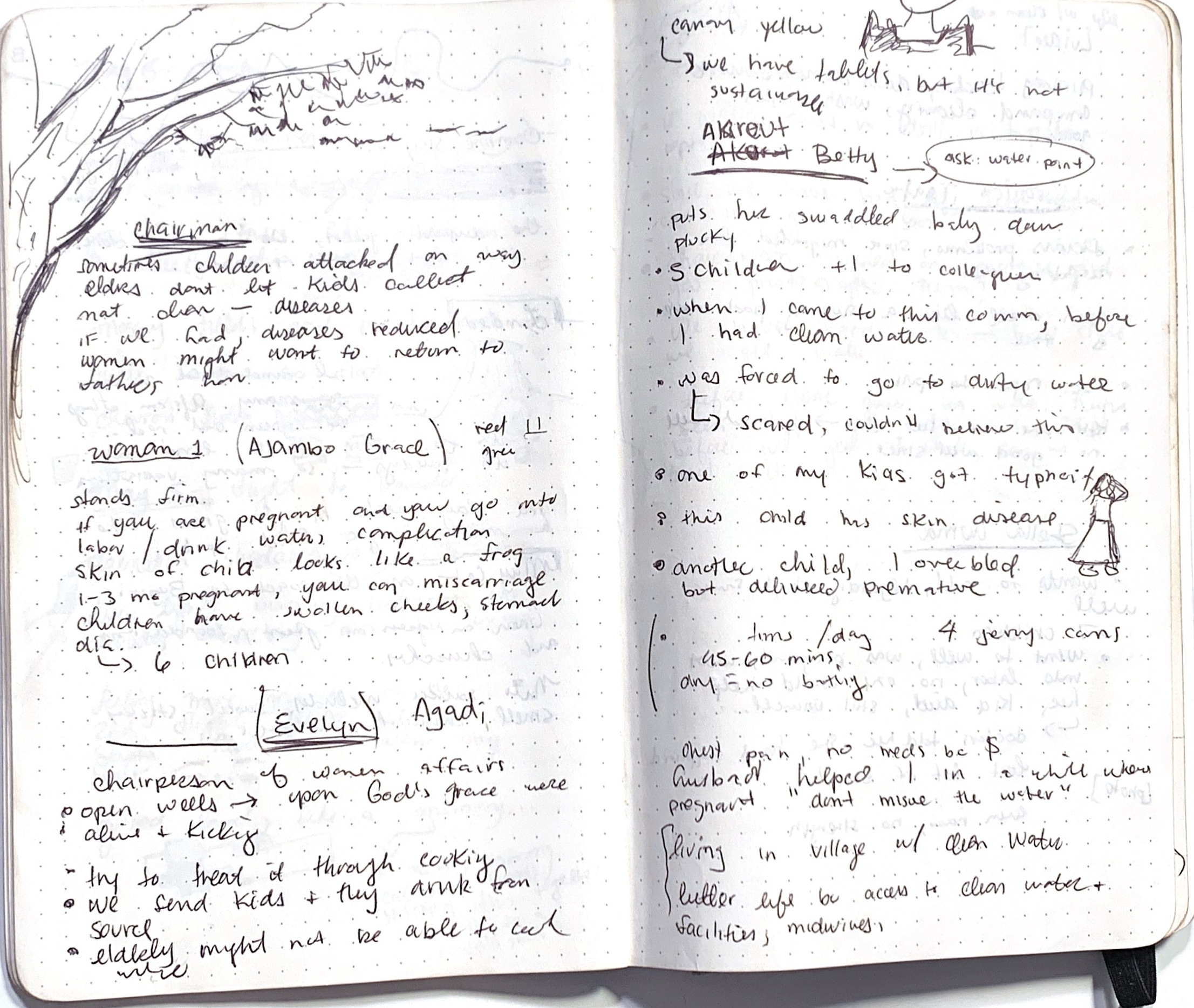
Kate used a mix of text, ambient noise, and raw footage to build the landscape, contrasting official organizational materials with raw, unmediated content for higher emotional impact. The goal was to let audiences feel like she did, crouched around a table with boxes of dusty papers spread out.
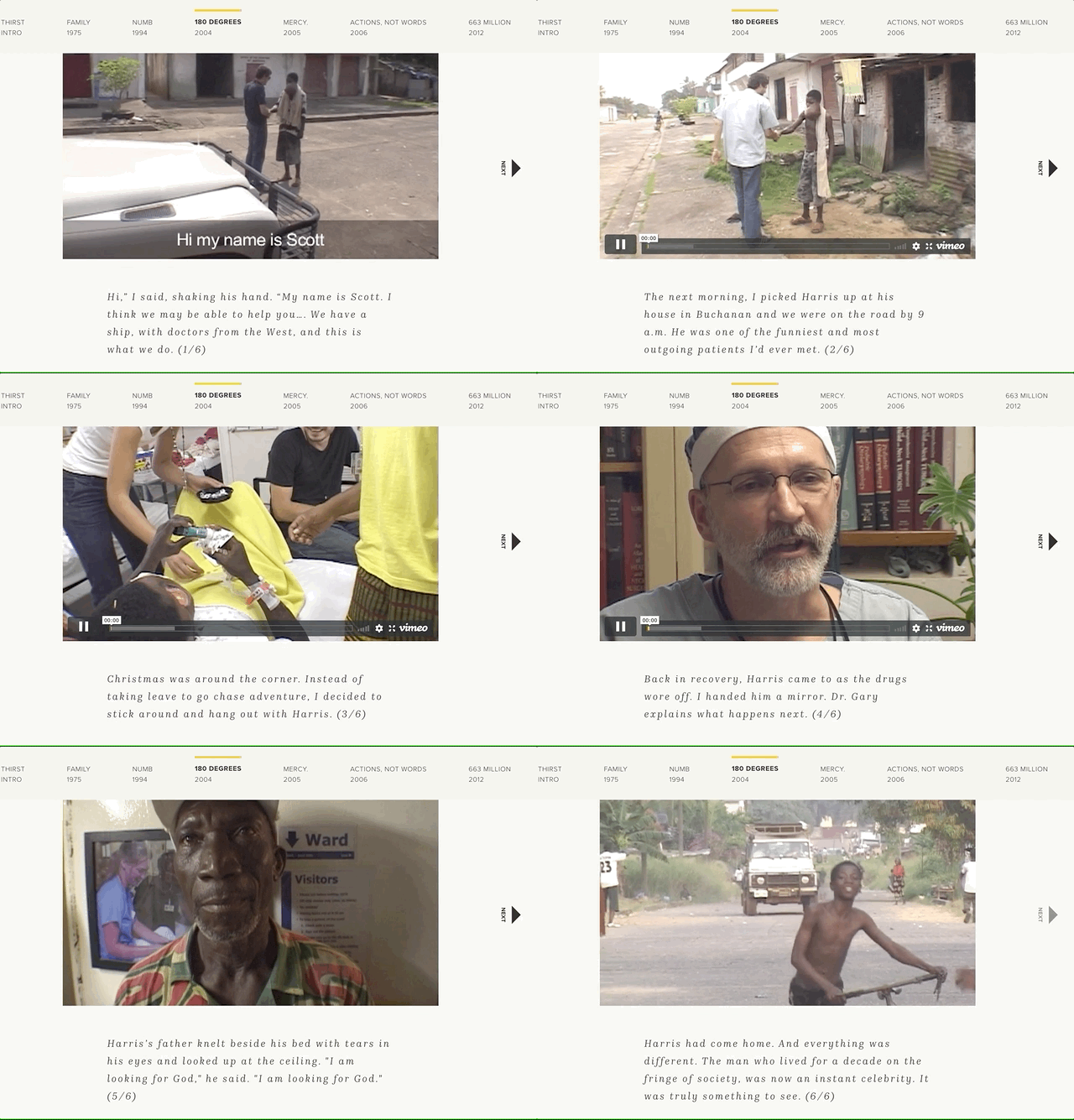
Harris's Story - raw, unedited, devastating
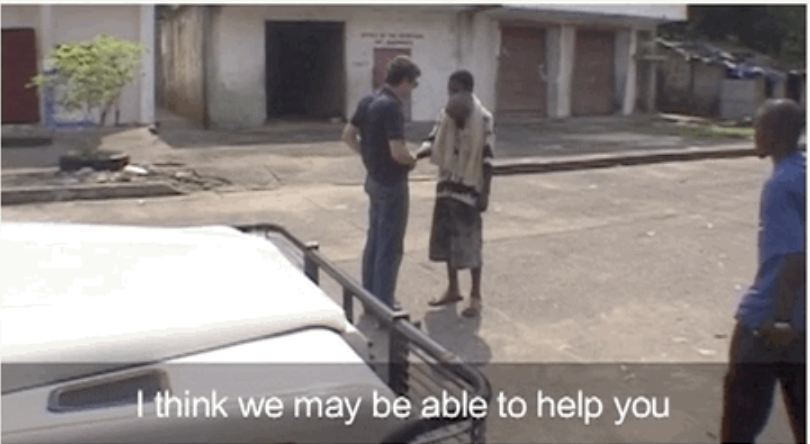
One section of the site used recovered, unedited footage to tell the story of a boy named Harris and the reality of the water crisis. No polish. No narration. Just raw video with ambient sound and minimal text.
It became the highest-performing content on the entire site, outperforming every produced, polished piece. The insight: audiences don't always want professional storytelling. Sometimes they want the unmediated truth. This experiment shaped charity: water's content strategy going forward.
A physical book became a digital fundraising engine.
The results.
Within four months, thirstbook.com was outperforming charity: water’s own website.
Your story is already powerful.
Let's make it work harder.
The best content doesn't just tell a story. It moves people to act. That's what we build.
